The Revolution of Autonomous Vehicles and Its Effect on Urban Mobility
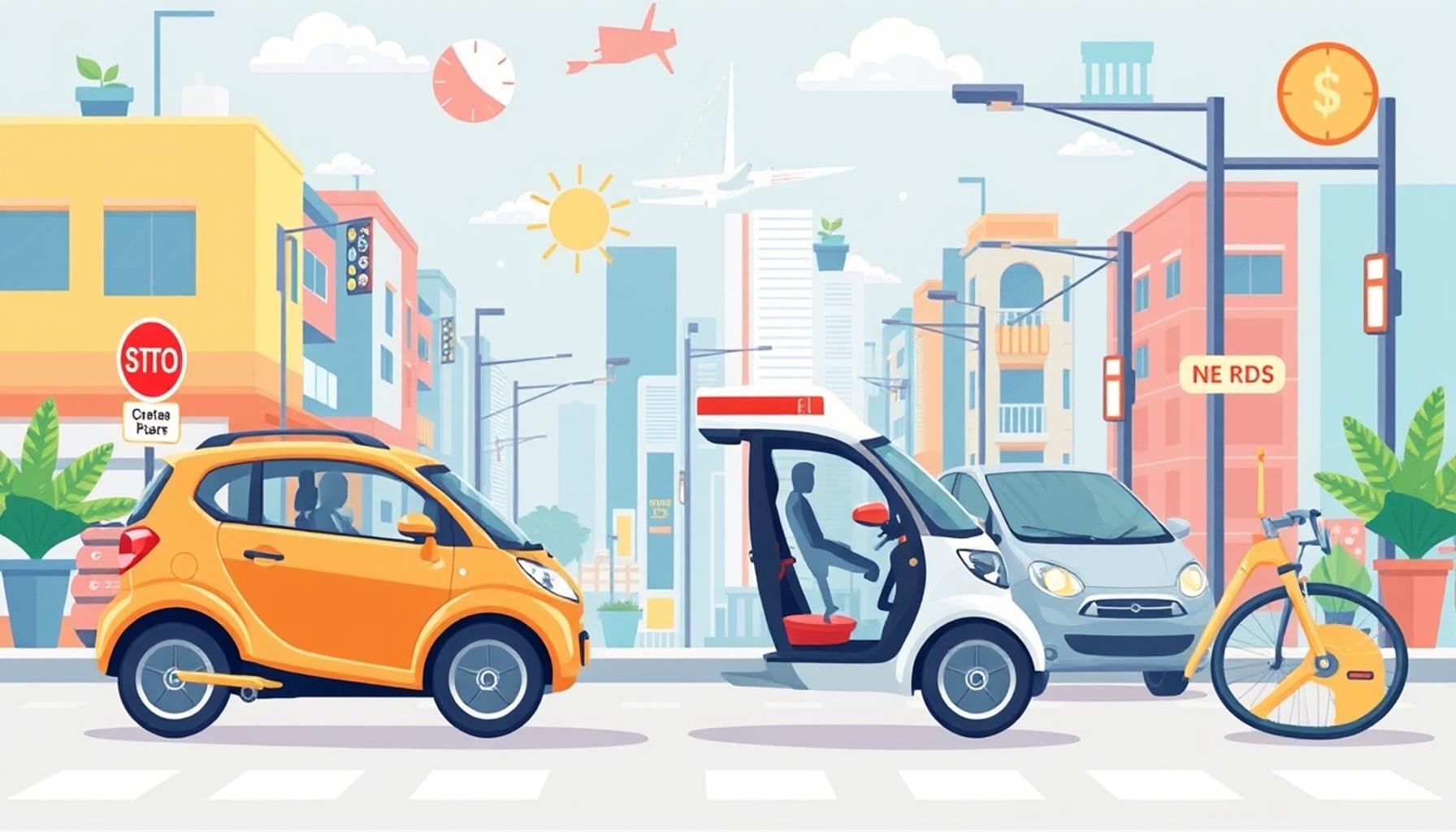
Transforming Urban Mobility
The rise of autonomous vehicles signifies a monumental shift in the transportation landscape. As technology is advancing at an unprecedented pace, these self-driving vehicles are transitioning from theoretical designs to practical applications on the road. This revolution not only promises to reshape how individuals navigate cities but also how entire urban ecosystems function.
Safety Improvements
One of the most compelling advantages of autonomous vehicles is their potential for enhanced safety. Human error is responsible for approximately 94% of traffic accidents according to data from the National Highway Traffic Safety Administration (NHTSA). By eliminating human factors such as distracted driving, fatigue, and impaired judgment, autonomous cars can significantly reduce the number of accidents. For instance, companies like Waymo and Tesla are already incorporating advanced sensors and AI technology to detect obstacles and make real-time decisions to avert collisions. As these vehicles become more widespread, we can anticipate a marked decrease in road fatalities, leading to safer urban environments.
Traffic Efficiency
Another critical benefit of autonomous vehicles is their ability to enhance traffic flow and decrease congestion. Traditional vehicles require drivers to make decisions in real-time, which can often lead to inefficiencies such as erratic lane changes or unexpected stops. In contrast, autonomous vehicles utilize sophisticated algorithms to communicate with one another and analyze traffic conditions. For example, in a city like Los Angeles, where traffic congestion is notorious, a fleet of autonomous vehicles could optimize routes in real-time, seamlessly merging into faster lanes and reducing overall travel times. This capability not only facilitates smoother commutes but also lessens the environmental impact associated with idling cars in heavy traffic.
Accessibility
Autonomous vehicles also hold promise in significantly enhancing accessibility for various populations, particularly senior citizens and individuals with disabilities. According to the Centers for Disease Control and Prevention (CDC), millions of Americans face mobility challenges that prevent them from accessing essential services and participating in community life. The advent of self-driving technology could address these issues by providing reliable transportation options without requiring a human driver. For instance, a senior citizen might seamlessly summon an autonomous vehicle to take them to a medical appointment or social event, fostering independence and improving quality of life.
Implications for Urban Planning
As cities integrate autonomous vehicles into their transportation networks, we can expect profound changes in urban planning and infrastructure. With fewer vehicles on the road, city planners may choose to reduce the number of parking lots and road space allocated to cars, repurposing these areas for parks, pedestrian pathways, or expanded public transit systems. Furthermore, the reduced need for personal vehicle ownership may lead to a rise in car-sharing services, fundamentally altering the way people conceive transportation and travel within urban areas.
The transition to autonomous vehicles presents both exciting opportunities and considerable challenges that require thoughtful consideration. As urban environments evolve in tandem with this technology, collaborations between policymakers, technologists, and community leaders will be essential to ensure that the potential benefits of autonomous driving are fully realized while mitigating any adverse impacts on society. With the prospect of safer roads, improved traffic conditions, and greater accessibility, the future of urban mobility stands on the brink of incredible transformation.
DISCOVER MORE: Click here to learn about the future of urban transport
A Paradigm Shift in Transit Methods
The introduction of autonomous vehicles (AVs) is not only redefining how we commute but is also influencing the very fabric of our urban environments. These self-driving vehicles promise to reduce traffic congestion, enhance accessibility, and create a more efficient transportation system. However, this transition requires a nuanced understanding of how such technology will reshape our daily lives, urban planning, and the infrastructure we rely on.
The Role of Connectivity
At the core of autonomous vehicle technology lies the concept of connectivity. AVs are equipped with advanced communication systems that allow them to interact with each other and the surrounding infrastructure. This connectivity enables vehicles to share critical data, make informed decisions, and respond proactively to changing conditions on the road. Imagine a scenario in a bustling city: during rush hour, a fleet of autonomous taxis communicates with each other to coordinate their movements, optimizing the flow of traffic rather than competing for the same lane or stopping at congested intersections. This shared data approach not only leads to less stop-and-go traffic but likely results in significant fuel savings and reduced emissions, thus benefiting the environment as well.
Boosting Public Transport Efficiency
Autonomous vehicles have the potential to complement and enhance existing public transportation services. By integrating AVs into public transit systems, cities can address the “last mile” challenge – the distance between a transit station and a commuter’s final destination. By introducing autonomous shuttles or vans that connect neighborhoods to major transit hubs, cities can make public transport more appealing and efficient for commuters. The incorporation of AVs into public systems could encourage more people to rely on shared transportation options, reducing the number of personal vehicles on the road.
Challenges to Overcome
Despite the promising benefits, several challenges still loom on the horizon of AV integration. Key concerns include:
- Technology Reliability: Ensuring that self-driving systems work flawlessly in various weather and traffic conditions is crucial.
- Data Privacy: The vast amount of data collected by AVs raises questions about how that information is used and protected.
- Regulatory Framework: Policymakers must create regulations that promote innovation while ensuring public safety.
- Public Perception: Overcoming skepticism and concerns surrounding safety and reliability is vital for widespread acceptance.
In addressing these challenges, continuous collaboration among technology developers, urban planners, and government officials will be essential. Engaging communities in discussions around the implications of autonomous vehicles can foster a better understanding of the opportunities and risks they present.
As cities navigate this transformative period, the balance between embracing innovation and addressing critical concerns will shape the future of urban mobility. The journey to integrating autonomous vehicles into the urban landscape is fraught with complexities but holds the potential to create smarter, more connected cities for generations to come.
DISCOVER MORE: Click here for insights on evaluating startup investments
Transforming Urban Landscapes
The rise of autonomous vehicles (AVs) is poised to transform not only how we travel but also how our cities are structured. As self-driving technology takes precedence, urban environments may evolve to accommodate a new paradigm in mobility. This transformation extends beyond mobility efficiency; it invites a rethink of land use, green spaces, and accessibility.
Reimagining Parking and Land Use
One of the most significant impacts of AVs on urban mobility will be seen in the realm of parking. Traditional vehicles spend a considerable amount of time parked, occupying valuable real estate within city limits. However, the advent of AVs may lead to a scenario where vehicles can drop passengers off at their destinations and then proceed to occupied areas or dedicated parking zones. This evolution could drastically reduce the demand for parking spaces in central urban areas.
For instance, cities like San Francisco or New York might convert underutilized parking lots into public parks, community gathering spaces, or commercial developments. With AVs freeing up these spaces, planners can rethink urban layouts, transforming cities into more pedestrian-friendly and vibrant environments. Such shifts can enhance urban aesthetics and improve quality of life for residents.
Better Access for All
Another noteworthy advantage of autonomous vehicles is their ability to enhance accessibility for populations that traditionally face transportation barriers, such as the elderly and individuals with disabilities. AVs can provide on-demand services that cater to these groups, enabling them to travel independently and confidently.
For instance, consider a city implementing a fleet of autonomous shuttles designed specifically for seniors. These vehicles could be programmed to navigate routes that accommodate scheduled medical appointments or grocery runs, ultimately promoting social interaction and reducing isolation. Such services illustrate how AVs could fulfill a vital role in expanding mobility options for all urban residents.
Environmental Benefits
The environmental implications of widespread AV adoption cannot be understated. Autonomous vehicles are typically designed to be more energy-efficient compared to traditional vehicles, often favoring electric models. The integration of AV technology could lead to a significant reduction in greenhouse gas emissions as more commuters choose shared, electric options over individual car ownership.
Moreover, as cities adopt stricter emissions regulations, AVs could help meet these objectives while enhancing the overall efficiency of the transportation network. Data from various studies suggest that the more efficiently vehicles operate—minimizing idle times and optimizing routes—the lower the environmental footprint. This underscores the dual benefit of enhancing urban mobility and promoting sustainability.
Enhanced Safety Measures
The integration of AVs into urban mobility strategies also brings the promise of increased safety on the roads. Human error is a prevalent cause of traffic accidents, leading to injuries and fatalities. By reducing the number of vehicle drivers and relying on sophisticated sensors and algorithms, AVs can anticipate hazards and react much more rapidly than human drivers.
For example, in cities with dense pedestrian traffic, autonomous vehicles can be programmed to prioritize the safety of pedestrians and cyclists. Such measures could lead to a significant reduction in road accidents, fostering a safer urban environment. This overarching focus on safety resonates with city planners, traffic authorities, and citizens seeking to prioritize well-being in urban settings.
The evolution of urban mobility propelled by autonomous vehicles is multifaceted, addressing essential social, environmental, and safety concerns. As cities adapt to these changes, the integration of autonomous technology offers compelling possibilities that can reshape our commute experience while enhancing urban life.
DISCOVER MORE: Click here to find out how to adapt your investment strategy
Conclusion
The revolution brought about by autonomous vehicles (AVs) holds immense potential for reshaping urban mobility and enhancing city life. As we have examined, AVs could lead to a profound transformation in land use, paving the way for greener spaces and reducing the need for expansive parking areas. This can foster more vibrant and inviting urban environments where communities thrive.
Moreover, by improving accessibility for vulnerable populations like the elderly and individuals with disabilities, AVs can emerge as vital tools in bridging transportation gaps, empowering residents to navigate their cities with independence. This inclusive approach could unite neighborhoods and promote social interaction, enriching urban experiences.
Additionally, the environmental benefits of AVs cannot be overlooked. The shift towards cleaner, electric autonomous vehicles signifies a commitment to combating climate change and reducing urban pollution. This not only affirms the importance of sustainability but also aligns with cities’ goals of creating healthier, more livable spaces for all inhabitants.
Finally, enhanced safety measures offered by AV technology promise to reduce traffic accidents and create safer streets, fostering an environment where walking and cycling become increasingly viable options for urban commuting. This holistic improvement in safety, accessibility, and environmental stewardship paints a hopeful picture of our urban future.
As we look forward, it is crucial for city planners, policymakers, and citizens alike to approach the integration of autonomous vehicles with creativity and foresight. By leveraging these advancements responsibly, we can collectively build a future where urban mobility is efficient, inclusive, and sustainable, ultimately transforming the way we live and interact in our cities.

Linda Carter
Linda Carter is a writer and expert known for producing clear, engaging, and easy-to-understand content. With solid experience guiding people in achieving their goals, she shares valuable insights and practical guidance. Her mission is to support readers in making informed choices and achieving significant progress.