Innovations in Sustainable Mobility: The Future of Urban Transport
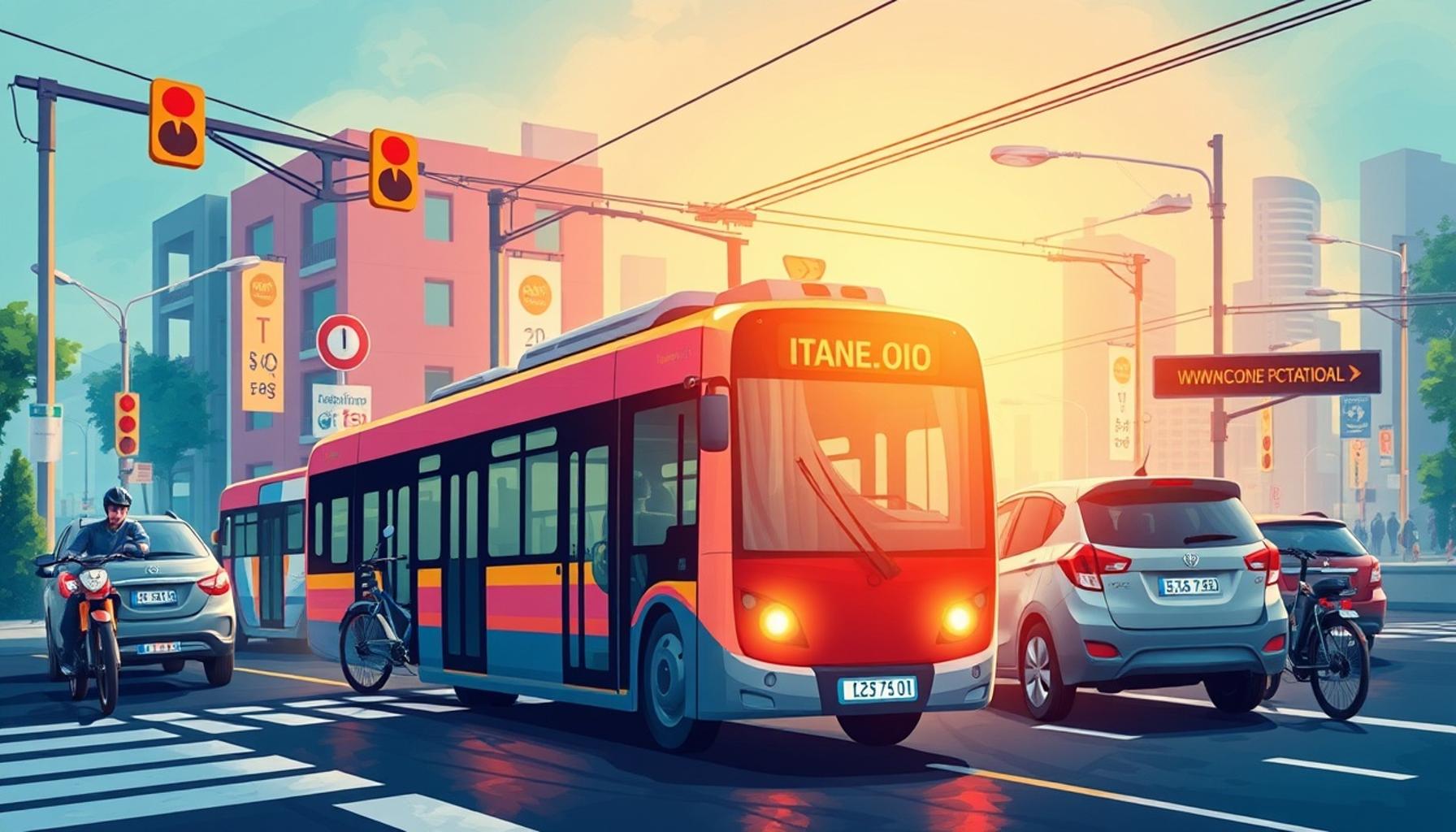
Transforming Urban Mobility for a Sustainable Future
As global populations continue to gravitate toward urban centers, the importance of effective and sustainable urban transport solutions becomes increasingly apparent. With concerns regarding air quality, climate change, and the overall quality of urban life coming to the forefront, cities in the United States are embracing innovative approaches to transport that promise not only to reduce their environmental impact but also to enhance the experience of daily commuting for their residents.
Key Innovations in Urban Transport
Several key innovations are driving this transformation. Understanding these elements is vital for anyone interested in the future of urban mobility.
- Electric Vehicles (EVs): One of the most exciting developments in urban transport, EV technology has advanced significantly thanks to improvements in battery efficiency and charging infrastructure. For instance, companies like Tesla have not only popularized electric cars but also encouraged traditional automakers to offer their own versions. Cities are supporting this transition by adding more public charging stations, making it more convenient for commuters to switch to EVs.
- Shared Mobility Services: Platforms like Zipcar and Lime are reshaping the way urbanites move within their cities. By offering car-sharing and bike-sharing services, these businesses help reduce the overall number of vehicles on the road, directly contributing to lowered emissions. A study from the University of California found that each shared car can replace 9 to 13 privately owned cars, a significant reduction in traffic congestion and pollution levels.
- Public Transit Enhancements: Upgrades to public transit systems are essential to increase ridership. Smart technologies like real-time tracking of buses and trains enhance user experience by providing commuters with up-to-the-minute information on schedules and delays. Cities like Los Angeles have implemented applications that inform riders of the nearest bus or train arrivals, making public transport a more attractive option.
- Smart Infrastructure: The integration of technology into urban infrastructure is crucial for improving traffic management. Connected traffic lights and adaptive signal systems can respond to real-time traffic conditions, effectively reducing wait times and emissions. For instance, cities like San Francisco have adopted such smart systems, leading to a reported 10% decrease in traffic congestion in key areas.
Creating a Sustainable Transportation Ecosystem
The goal of these advancements is not just to lower carbon footprints, but also to fundamentally rethink urban commuting. By creating a cohesive and integrated transportation ecosystem, cities aim to prioritize accessibility, making it easier for residents to utilize different modes of transport seamlessly. Investments in bike lanes and pedestrian pathways, for instance, enhance mobility for individuals who prefer non-motorized travel, promoting healthier lifestyle choices.
As we consider the future of urban transport, it is crucial for citizens, urban planners, and policymakers to remain informed and engaged with these innovations. Their collective efforts will shape how we navigate our cities, making urban life more sustainable and enjoyable for generations to come.
DIVE DEEPER: Click here to discover effective payment strategies
Advancements Shaping Sustainable Urban Transport
The landscape of urban mobility is rapidly evolving, with a strong emphasis on sustainability. This transformation is propelled by a multitude of innovations that aim to redefine how we commute within our cities. As we dive deeper into these advancements, we will uncover the critical role they play in shaping a more sustainable and efficient transportation framework.
Electric Vehicles (EVs)
Electric vehicles are at the forefront of the sustainability movement in urban transport. Not only do they reduce greenhouse gas emissions, but they also contribute to improved air quality in densely populated areas. With advancements in battery technology, including longer ranges and faster charging capabilities, EVs are becoming increasingly practical for everyday use. Public entities are responding to this shift by investing in expanded charging infrastructure. Cities such as Seattle and Austin have made significant strides in this area, installing large networks of charging stations accessible to all EV drivers. These efforts are essential for encouraging residents to transition away from traditional gasoline-powered vehicles.
Shared Mobility Services
Shared mobility services are revolutionizing the way we think about transportation. Ride-sharing apps like Uber and Lyft, as well as bike-sharing and scooter-sharing programs, offer flexible and convenient alternatives to ownership. These services not only help decongest urban roads but also reduce the carbon footprint associated with multiple single-passenger trips. According to a report from the Shared-Use Mobility Center, the introduction of shared mobility options can lessen the total number of vehicles on the streets. For example, in New York City, the implementation of bike-sharing programs has increased cycling rates significantly, leading to healthier commuting habits among residents.
Public Transit Innovations
Enhancing public transit systems is another pivotal aspect of sustainable urban mobility. Cities are embracing smart technologies that enhance the efficiency and appeal of public transport. Innovations such as real-time tracking and mobile payment solutions streamline the commuting experience. In cities like San Francisco, the Muni app allows passengers to see exactly when their bus will arrive, thus reducing wait times and improving the overall experience. Moreover, cities are investing in eco-friendly transit options, including electric buses, which contribute further to reducing emissions.
Smart Infrastructure Developments
The integration of smart infrastructure into urban transport systems is crucial for optimizing traffic flow and enhancing safety. Through the use of adaptive traffic signals and connected devices, city planners can analyze real-time data to minimize congestion. For instance, Los Angeles has implemented a pilot program utilizing smart traffic lights that adjust their timing based on current traffic patterns, which has resulted in a measurable decrease in travel times for commuters. Such technological advancements not only improve the daily commute but also offer a pathway to reduced emissions and better urban air quality.
As these innovations continue to gain traction, it becomes increasingly clear that adopting sustainable urban transportation solutions is not only beneficial but necessary for the future of city living. Understanding and supporting these developments can lead to a more sustainable urban environment for everyone.
DON’T MISS: Click here to learn why an emergency fund is crucial
Emerging Technologies Reinventing Urban Mobility
As cities continue to grapple with the challenges of population growth, traffic congestion, and environmental sustainability, emerging technologies are paving the way for innovative solutions in urban transport. These advancements focus on improving accessibility, increasing efficiency, and supporting sustainable commuting practices.
Autonomous Vehicles
One of the most exciting developments in urban mobility is the rise of autonomous vehicles (AVs). These self-driving cars promise to reshape the way we navigate our cities, offering the potential for safer and more efficient transportation. With the ability to communicate with one another as well as with traffic infrastructure, autonomous vehicles can optimize travel routes, reduce traffic congestion, and minimize accidents caused by human error. In cities like Phoenix, Arizona, several companies are already piloting autonomous ride-sharing services, providing residents with a glimpse into the future of transportation. The widespread adoption of AVs could lead to a significant reduction in the number of cars on the road, ultimately lowering emissions and enhancing urban air quality.
Mobility-as-a-Service (MaaS)
The concept of Mobility-as-a-Service (MaaS) is revolutionizing the way individuals and families access transportation options. MaaS platforms integrate various modes of transport—ranging from public transit to bike-sharing and ride-hailing—into a single, user-friendly application. This allows users to plan, book, and pay for multi-modal journeys seamlessly. For instance, the city of Los Angeles is collaborating with multiple transport providers to create a comprehensive MaaS platform, enabling residents to combine their commutes with different transport options efficiently. By breaking down the barriers of traditional transport systems, MaaS promotes the use of public and shared transportation, directly contributing to a reduction in private car use and its associated environmental impacts.
Active Transportation Initiatives
Encouraging active transportation, such as walking and cycling, is crucial for a sustainable urban environment. Cities are implementing strategic initiatives to enhance the safety and convenience of these modes of transport. For example, New York City has expanded its network of protected bike lanes and pedestrian-friendly zones, significantly improving accessibility and making cycling a safer option for commuters. Furthermore, initiatives like “Open Streets,” which temporarily close streets to vehicular traffic, allow commuters to safely engage in walking, biking, and other outdoor activities. These changes not only improve the quality of urban life but also foster healthier habits among residents, reducing the overall reliance on motorized transport.
Integration of Renewable Energy Sources
In the ongoing pursuit of sustainable mobility, cities are increasingly focusing on the integration of renewable energy sources into their transportation systems. Solar-powered charging stations for electric vehicles, for instance, make it feasible to sustain the increasing demand for EV charging while minimizing the carbon footprint. San Diego has initiated projects to install solar canopies at public charging stations, effectively harnessing solar energy to support its growing EV infrastructure. Moreover, investing in public transportation powered by renewable energy, like electric or hydrogen-fueled buses, showcases commitments to green energy that can have remarkable impacts on reducing urban emissions.
By embracing these emerging technologies and concepts, urban planners and policymakers can create a connected and sustainable transport framework that meets the demands of modern urban living, paving the way for greener, healthier cities.
DIVE DEEPER: Click here to uncover the future of wealth management
Conclusion
In summary, the innovations shaping sustainable mobility are fundamental to the future of urban transport. As cities strive to accommodate growing populations and combat climate change, embracing advancements such as autonomous vehicles, Mobility-as-a-Service, and active transportation initiatives provides a framework for efficient and environmentally friendly transport systems. These technologies not only enhance accessibility but also foster a culture of shared mobility that challenges the reliance on privately-owned vehicles.
Moreover, the integration of renewable energy sources into urban transport is a crucial step toward achieving sustainability goals. Cities like San Diego serve as shining examples of how solar energy can power essential infrastructure, further reducing carbon emissions. As public policies evolve to support these innovations, the potential to create livable, healthy urban environments increases significantly.
As we look ahead, it is essential for policymakers, urban planners, and community members to collaborate in embracing these advancements. This collective effort will not only improve urban mobility but also contribute to more vibrant and sustainable cities. Ultimately, the path toward a greener future in urban transport is paved with innovation, community engagement, and commitment to a sustainable vision. With the right strategies and technologies in place, we can envision an urban landscape where mobility serves as a catalyst for positive change, enhancing the quality of life for all city dwellers.

Linda Carter
Linda Carter is a writer and expert known for producing clear, engaging, and easy-to-understand content. With solid experience guiding people in achieving their goals, she shares valuable insights and practical guidance. Her mission is to support readers in making informed choices and achieving significant progress.