The Risks of Indebtedness: How to Avoid Common Traps When Using Credit Cards
The Importance of Navigating Credit Card Challenges
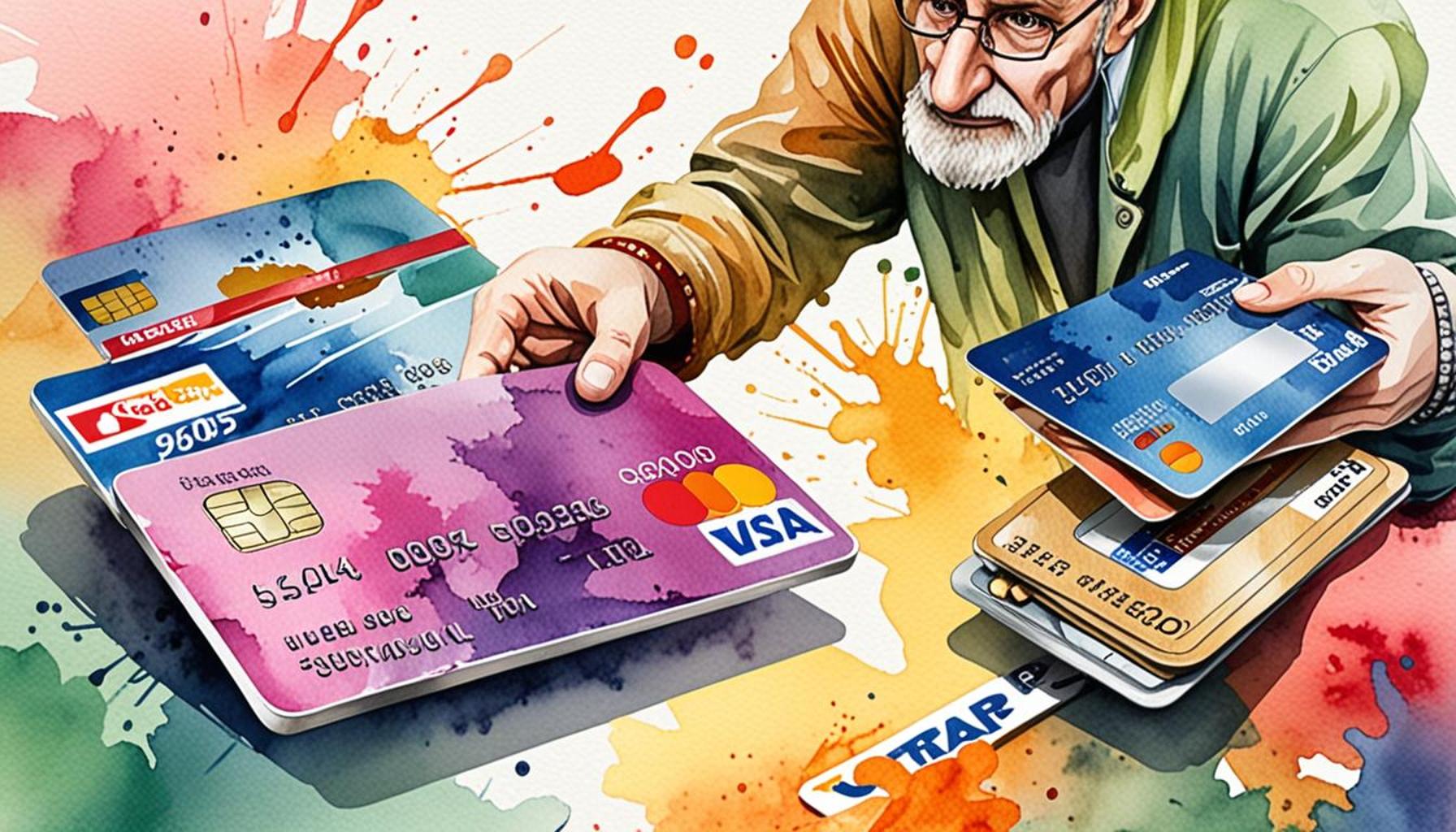
Credit cards have become an integral part of modern financial life, serving not only as a means for making purchases but also as a potential source of financial difficulties. For many, the allure of quick and easy spending can lead to detrimental financial habits. Understanding the risks of indebtedness associated with credit card usage is crucial for anyone looking to maintain their financial wellbeing in an increasingly consumer-driven society.
The statistics surrounding credit card debt in the United States paint a concerning picture:
- As of 2023, the average American household carries over $7,200 in credit card debt, highlighting the pervasive nature of this financial issue.
- Approximately 40% of cardholders do not pay off their balance each month, which results in accruing hefty interest fees that can surpass 20% annually in some cases.
- More than 60% of Americans admit a lack of financial literacy when it comes to effectively managing credit, underscoring the need for better education in this area.
To navigate the potential pitfalls of credit card usage, it is essential to recognize common issues that can lead to financial strife:
- Impulse Spending: The convenience of having a credit card at your disposal can lead to spontaneous purchases, often for items you don’t need. For instance, it’s easy to swipe your card to buy the latest gadget or indulge in dining out without considering the long-term impact on your finances.
- Minimum Payments: Many consumers mistakenly think that only paying the minimum payment is sufficient. This practice can significantly extend the time required to pay off the total debt, ultimately leading to paying much more due to interest accumulation.
- Neglecting Budgeting: Failing to incorporate credit card payments into a comprehensive monthly budget can lead to overspending and financial chaos. Consider setting a monthly limit on credit card expenses to ensure you live within your means.
By educating yourself about these common pitfalls and the broader risks of credit card indebtedness, you can make informed decisions that steer you toward financial freedom. Knowledge is power; understanding how credit cards can impact your financial landscape empowers you to take charge of your spending habits and develop a healthier relationship with credit. As you explore the complexities of credit cards, you will discover strategies that can help you manage your finances effectively and avoid falling into the cycle of debt.
Continued learning about personal finance will lead you to utilize credit cards as tools for building credit or gaining rewards, rather than as traps that ensnare you in debt. Engaging with resources, such as financial literacy programs or budgeting apps tailored for your needs, could illuminate a path to a more stable and secure financial future.
DISCOVER MORE: Click here to learn about Royal Canin cat food
Understanding the Common Traps of Credit Card Usage
Credit cards offer undeniable convenience, but with that convenience comes a host of risks that can lead unsuspecting consumers into a web of financial trouble. It’s critical to recognize these pitfalls to navigate the complex landscape of credit responsibly. With the right knowledge, you can avoid common traps and use credit cards to your advantage while ensuring you’re not enslaved by your own spending habits.
One of the most ubiquitous challenges credit card users face is impulse spending. The ease with which you can make a purchase at the tap of a card often leads to buying items on a whim. A recent survey revealed that over 60% of millennial cardholders admitted to making unplanned purchases, affecting their budget significantly. This behavior can accumulate quickly, leading to debt that seems manageable at first but can spiral out of control.
Another common issue arises from misunderstanding payment structures. Many people assume that making only the minimum payment on their credit card is sufficient to manage their debt. In reality, this approach can be treacherous. According to a study by the Federal Reserve, if a consumer carries just $5,000 in credit card debt at an interest rate of 18%, making the minimum payments can mean it may take over 10 years to pay off the debt—and cost over $2,800 in interest alone. Understanding payment dynamics is crucial for maintaining a healthy financial outlook.
Additionally, the practice of neglecting budgeting can lead to significant problems. Without a clear plan, credit card spending can quickly become uncontrolled. Establishing a monthly budget that accounts for all expenses, including credit card payments, ensures you remain within your means. Tools like budgeting apps can help track your finances and discourage excessive spending that could lead to unnecessary debt.
To effectively manage credit card usage, consider implementing these strategies:
- Track Your Spend: Regularly review your credit card statements to identify patterns in spending and make adjustments to avoid overspending.
- Create a Budget: Set a monthly limit specifically for credit card use, incorporating all necessary expenses into a clear budgeting framework.
- Pay More Than the Minimum: Aim to pay off more than the minimum balance each month to reduce interest accumulation and shorten the time it takes to eliminate your debt.
- Pause Before Swipe: Adopt a “cooling-off” period where you wait 24 hours before making non-essential purchases to avoid impulse buying.
By being aware of these traps and implementing preventive measures, you can establish a healthier relationship with your credit cards. Prioritizing financial literacy allows you to harness the benefits of credit while minimizing potential risks. Through understanding and discipline, you can turn credit cards from a concerning liability into a valuable financial tool designed to enhance your fiscal stability and enable future investments.
DISCOVER MORE: Click
Strategies for Smart Credit Card Management
In addition to understanding the common traps associated with credit card usage, it is equally important to actively implement strategies that promote positive financial behavior. With the right tactics in place, consumers can minimize their debt exposure while reaping the benefits that come from responsible credit card use.
One effective strategy for managing credit card debt is to take advantage of rewards and perks. Many credit cards offer enticing incentives, such as cash back, travel rewards, or points redeemable for goods and services. However, it is crucial to remember that these perks should not serve as justification for overspending. By using your credit card responsibly and only for planned purchases, you can earn rewards without falling into a debt trap.
Moreover, another significant aspect of credit card management is the importance of keeping track of due dates. Late payments can lead to hefty fees and damage your credit score. Setting up automatic payments can serve as an effective safeguard against missed deadlines. Alternatively, utilizing reminders through your smartphone’s calendar or apps can provide timely alerts to ensure payments are made on time, preventing the costly consequences associated with tardiness.
Credit card users should also build an emergency fund to provide a financial cushion in unexpected situations. An emergency fund can prevent reliance on credit cards for unexpected expenses, such as car repairs or medical bills. Financial experts suggest setting aside at least three to six months’ worth of living expenses in a liquid savings account. This proactive approach not only enhances financial security but allows for more assertive management of credit card balances when life’s surprises occur.
Furthermore, consumers can enhance their credit health by monitoring their credit scores regularly. A recent report from the Federal Trade Commission showed that about 1 in 5 people in the U.S. had an error on at least one of their credit reports. Regular monitoring via free resources enables you to spot discrepancies early and rectify them, helping maintain your credit rating. A healthy credit score not only attracts better interest rates but also opens doors to more favorable borrowing conditions.
Understanding the impact of utilization rates is another essential part of maintaining good credit health. Your credit utilization rate is the ratio of your credit card balances to your total credit limits. Financial advisors recommend keeping this rate below 30%. If you find yourself nearing this limit, consider paying down balances or requesting a credit limit increase, which can provide some leeway in managing your debt load.
These strategies can be incredibly effective, yet they require consistent effort and planning. Staying mindful of your credit habits can turn your credit card into a valuable tool rather than a burden. By adhering to these principles, you’ll place yourself on a path to financial wellness that not only protects you from the risks of indebtedness but also empowers you to take control of your financial future.
DIVE DEEPER: Click here to uncover the origins of the French Bulldog
Final Thoughts on Navigating Credit Card Indebtedness
In summary, understanding the intricacies of credit card usage is crucial in today’s financial landscape. With the potential for significant risks associated with indebtedness, it is vital for consumers to exercise caution and implement smart management strategies. By recognizing the pitfalls such as high interest rates, overspending on rewards, and missed payments, individuals can take proactive steps to safeguard their financial health.
Building a solid foundation through practices like maintaining a strong emergency fund, monitoring your credit score regularly, and keeping your credit utilization rate low are essential to ensuring a balanced financial life. This not only prevents falling into the average American’s trap of accumulating credit card debt—averaging over $5,000 per household—but also fosters responsible financial behavior that can lead to long-term stability.
Moreover, leveraging the benefits of credit cards, while remaining disciplined about spending, can transform these financial tools into streamlined aids rather than burdensome liabilities. The journey toward financial wellness doesn’t happen overnight; it requires dedication, reflection, and informed choices. Armed with knowledge and these strategic practices, consumers can navigate the world of credit cards with confidence, turning potential risks into opportunities for growth and empowerment.
As you explore your financial journey, remember that every small decision contributes to a greater picture. Embrace these principles and take control of your financial future, ensuring that your credit card remains a beneficial asset rather than a source of stress and indebtedness.

Linda Carter
Linda Carter is a writer and expert known for producing clear, engaging, and easy-to-understand content. With solid experience guiding people in achieving their goals, she shares valuable insights and practical guidance. Her mission is to support readers in making informed choices and achieving significant progress.