The Revolution of Decentralized Finance: Cryptocurrencies and Their Role in the Economic Future
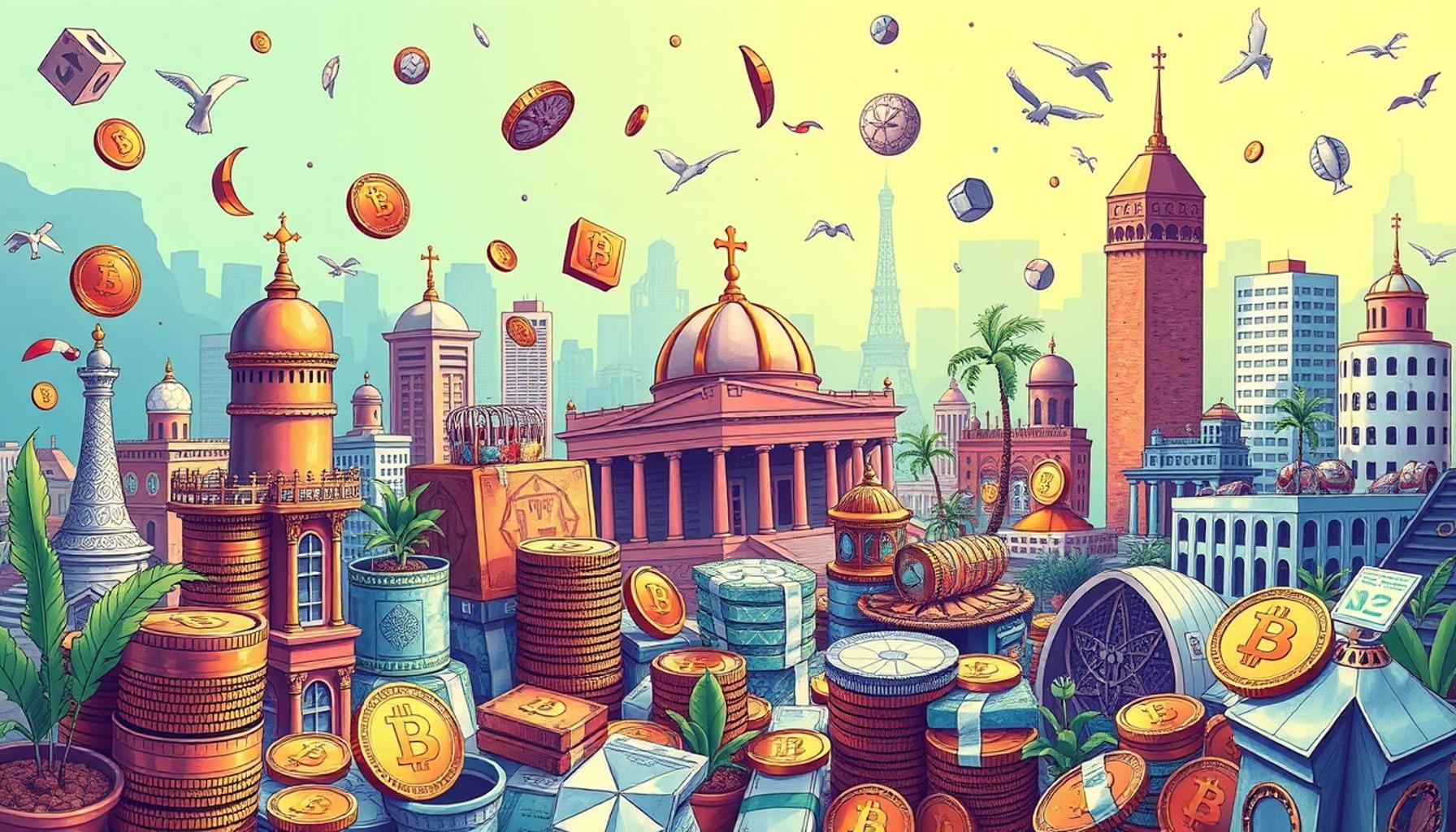
The Decentralized Finance Revolution
The current landscape of finance is rapidly evolving, driven by technological advancements that challenge and redefine traditional banking practices. One of the most exciting developments in this arena is decentralized finance (DeFi). By utilizing blockchain technology, this innovative system is fundamentally altering our understanding and management of money.
At its core, decentralized finance offers several transformative features that distinguish it from conventional banking systems:
- Transparency: All transactions within DeFi platforms are recorded on a public ledger known as the blockchain. This transparency significantly reduces the potential for fraud, as anyone can verify transaction history without relying on a centralized authority. For instance, if you use DeFi for a loan, you can easily corroborate all past transactions involving that loan to ensure authenticity.
- Accessibility: DeFi is designed to be inclusive. It enables individuals from diverse economic backgrounds and regions—many of whom may not have access to traditional banking services—to engage in financial activities. For example, a farmer in a rural area of the United States can utilize DeFi to secure funds or trade, without the need for a bank account or credit history.
- Lower Costs: By eliminating intermediaries such as banks and brokers, DeFi significantly reduces costs associated with financial transactions. For example, transferring funds can be completed at a fraction of the cost compared to traditional methods, making it an attractive option for users seeking budget-friendly alternatives.
Central to this ecosystem are cryptocurrencies such as Bitcoin and Ethereum. These digital currencies are integral to the functionalities of various DeFi applications:
- Lending and Borrowing: In DeFi, users can lend their assets in exchange for interest or borrow funds without undergoing the cumbersome credit checks typical of traditional banks. For instance, someone with excess cryptocurrency can lend it through a DeFi platform and earn interest while someone else can secure a loan to invest in their business.
- Trading: Users can directly trade digital assets on decentralized exchanges (DEXs) without relying on central authorities. This peer-to-peer trading not only enhances privacy but also reduces the likelihood of manipulation that can occur in traditional markets.
- Yield Farming: This refers to the practice of providing liquidity to various platforms in exchange for rewards. Investors often stake their assets in liquidity pools, allowing users to borrow or trade, earning returns that can outpace traditional savings accounts.
The shift towards decentralized finance is more than just a fleeting phenomenon; it signifies a fundamental change in how economic transactions are perceived and conducted. As DeFi continues to gain traction, understanding its implications becomes essential for anyone looking to navigate the future of finance. Engaging with these technologies today may offer significant advantages, as they pave the way for a more inclusive and efficient financial system.
EXPLORE MORE: Click here to discover the benefits
Understanding Decentralized Finance and Its Components
Decentralized finance (DeFi) signifies more than just a shift in currency; it embodies a comprehensive rethinking of financial interactions. To grasp its full potential, it’s crucial to explore the key components that facilitate this revolution. At the heart of DeFi are cryptocurrencies and smart contracts—both of which redefine how transactions are executed and managed.
Cryptocurrencies: The Backbone of DeFi
Cryptocurrencies are digital assets that utilize cryptography for security and operate independently from a central authority. This independence is pivotal for DeFi, as it allows users to transact without intermediaries. Popular examples like Bitcoin and Ethereum are more than just investment vehicles—they serve as currencies within the DeFi ecosystem, enabling various financial transactions.
For instance, Bitcoin is renowned for its role as a store of value but is also used for peer-to-peer transactions, while Ethereum supports smart contracts—self-executing agreements coded on the blockchain that automatically enforce terms once conditions are met. This programmability is what makes Ethereum specifically appealing for DeFi developers, paving the way for a myriad of financial applications.
Smart Contracts: Automating Financial Processes
Smart contracts are pivotal in facilitating trustless transactions, meaning parties can engage without needing to trust each other. Think of smart contracts as digital vending machines; when you input the right amount of cryptocurrency, they automatically dispense the corresponding output. This eliminates the need for third parties to oversee transactions, streamlining processes and reducing costs.
For example, a smart contract could facilitate a simple loan agreement. If a borrower meets their repayment conditions, the smart contract releases the funds without requiring a bank’s intervention. This level of automation enhances the speed and efficiency of financial dealings, making it advantageous for both borrowers and lenders.
The Role of Decentralized Applications (dApps)
Decentralized applications, or dApps, are another crucial layer of the DeFi landscape. These applications are built on blockchain networks and leverage the capabilities offered by smart contracts. They enhance functionality in various financial services, from lending and borrowing to insurance and asset trading.
- Loan Platforms: dApps enable users to take out loans without credit checks, using their cryptocurrencies as collateral. This opens up opportunities for those who might struggle to secure traditional loans.
- Decentralized Exchanges (DEXs): Here, users can trade cryptocurrencies in a peer-to-peer manner. For instance, while a traditional exchange may require users to deposit funds into their platform, a DEX allows instant trades directly from one’s wallet.
- Insurance Protocols: In the DeFi ecosystem, some dApps provide insurance services, where users can safeguard their assets against various risks, like hacks or market downturns, all governed by smart contracts.
In conclusion, the synergy between cryptocurrencies, smart contracts, and dApps forms a robust foundation for decentralized finance. This interconnectedness is fundamentally changing how we think about money, offering more than just financial services—it presents a pathway toward a democratized financial landscape. As we move forward, the implications of adopting DeFi will only continue to unfold, presenting opportunities and challenges alike.
DISCOVER MORE: Click here to learn how to apply!
The Expanding Ecosystem of Decentralized Finance
As we further explore the revolution of decentralized finance (DeFi), it becomes clear that its ecosystem is expanding rapidly, driven by innovative financial services and products that are reshaping the traditional banking landscape. This evolution is largely facilitated by the principles of transparency, accessibility, and security inherent to blockchain technology.
Yield Farming and Liquidity Mining
One of the innovative practices emerging from DeFi is yield farming, which allows users to earn rewards by providing liquidity to decentralized platforms. Essentially, participants can lock up their cryptocurrencies in liquidity pools, enabling others to trade or lend those assets. In return, they earn transaction fees or additional tokens as incentives.
Liquidity mining is closely related and further incentivizes users to contribute their assets. By distributing governance tokens to liquidity providers, platforms encourage long-term engagement and community participation. For example, a user who contributes to a decentralized exchange might receive governance tokens that allow them to vote on future protocol changes—empowering them to have a say in the continued development of the platform.
Decentralized Autonomous Organizations (DAOs)
Another significant development in DeFi is the emergence of Decentralized Autonomous Organizations (DAOs). A DAO is an organization represented by rules encoded as a computer program, which is transparent and controlled by its members rather than a central authority. In essence, DAOs empower users to collaborate and manage shared resources democratically.
For instance, members of a DAO can propose changes, fund projects, or allocate resources based on voting, ensuring that the governance is truly decentralized. Popular projects, such as MolochDAO and MakerDAO, have demonstrated how DAOs can manage substantial amounts of funds while fostering community input and engagement. This evolution highlights how DeFi is shifting financial power away from traditional institutions, allowing users more agency over their financial futures.
Financial Inclusion and Global Reach
One of the most compelling aspects of DeFi is its potential to foster financial inclusion. Traditional banking systems often exclude large populations due to various barriers—such as the lack of a physical bank presence, access to technology, or required identification. DeFi aims to break these barriers down by providing anyone with an internet connection access to its financial services.
For example, a person in a rural area without access to traditional banking can lend or borrow funds using DeFi platforms without needing approval from traditional banking institutions. This capability is particularly transformative in developing countries where access to financial services is limited. As cryptocurrencies gain traction, individuals can use them to transact, save, and invest, empowering them in ways previously thought unattainable.
The Challenges Ahead
However, with great innovation comes challenges. Issues such as regulatory uncertainties, security vulnerabilities, and user education need to be addressed for DeFi to reach its full potential. For instance, the lack of regulation in DeFi poses risks related to fraud, hacking, and lack of recourse for users. Additionally, as the technology rapidly advances, users may find it challenging to keep up with new services and understand the risks involved.
As the DeFi landscape continues to evolve, solving these challenges will be paramount. Awareness, education, and appropriate regulatory frameworks will all play a vital role in ensuring that decentralized finance can thrive as a sustainable alternative to traditional financial systems while protecting consumers.
DISCOVER MORE: Click here for essential tips and tools!
Conclusion
In conclusion, the revolution of decentralized finance (DeFi)</strong) marks a pivotal shift in how we perceive and interact with financial systems, offering innovative solutions that prioritize accessibility, transparency, and autonomy. As DeFi continues to evolve, it's clear that cryptocurrencies play a significant role in democratizing financial services, providing opportunities for individuals who may have historically been marginalized by conventional banking structures.
Through advancements like yield farming and the formation of Decentralized Autonomous Organizations (DAOs), users can participate more actively in managing their financial futures while influencing the governance of platforms. Furthermore, with the potential for financial inclusion, DeFi can empower economically disadvantaged communities, enabling individuals to engage in the global economy regardless of geographical barriers.
However, as we embrace these changes, we must also remain vigilant about the challenges that accompany this innovation. Addressing issues like regulatory uncertainties and security vulnerabilities is crucial for the growth and sustainability of DeFi. By fostering a culture of education and promoting appropriate regulations, we can create an environment where decentralized finance flourishes safely.
Ultimately, the economic future shaped by cryptocurrencies and DeFi holds tremendous promise. By redefining financial operations and expanding access to critical services, we are embarking on a journey that could lead to a more inclusive, equitable, and efficient financial system for all. Embracing this revolution with caution and understanding will be key to ensuring that we harness its full potential, paving the way for a new era of finance.

Linda Carter
Linda Carter is a writer and expert known for producing clear, engaging, and easy-to-understand content. With solid experience guiding people in achieving their goals, she shares valuable insights and practical guidance. Her mission is to support readers in making informed choices and achieving significant progress.