The Revolution of Electric Vehicles: Impacts on the Automotive Industry and the Environment
The Rise of Electric Vehicles and Their Transformative Impact
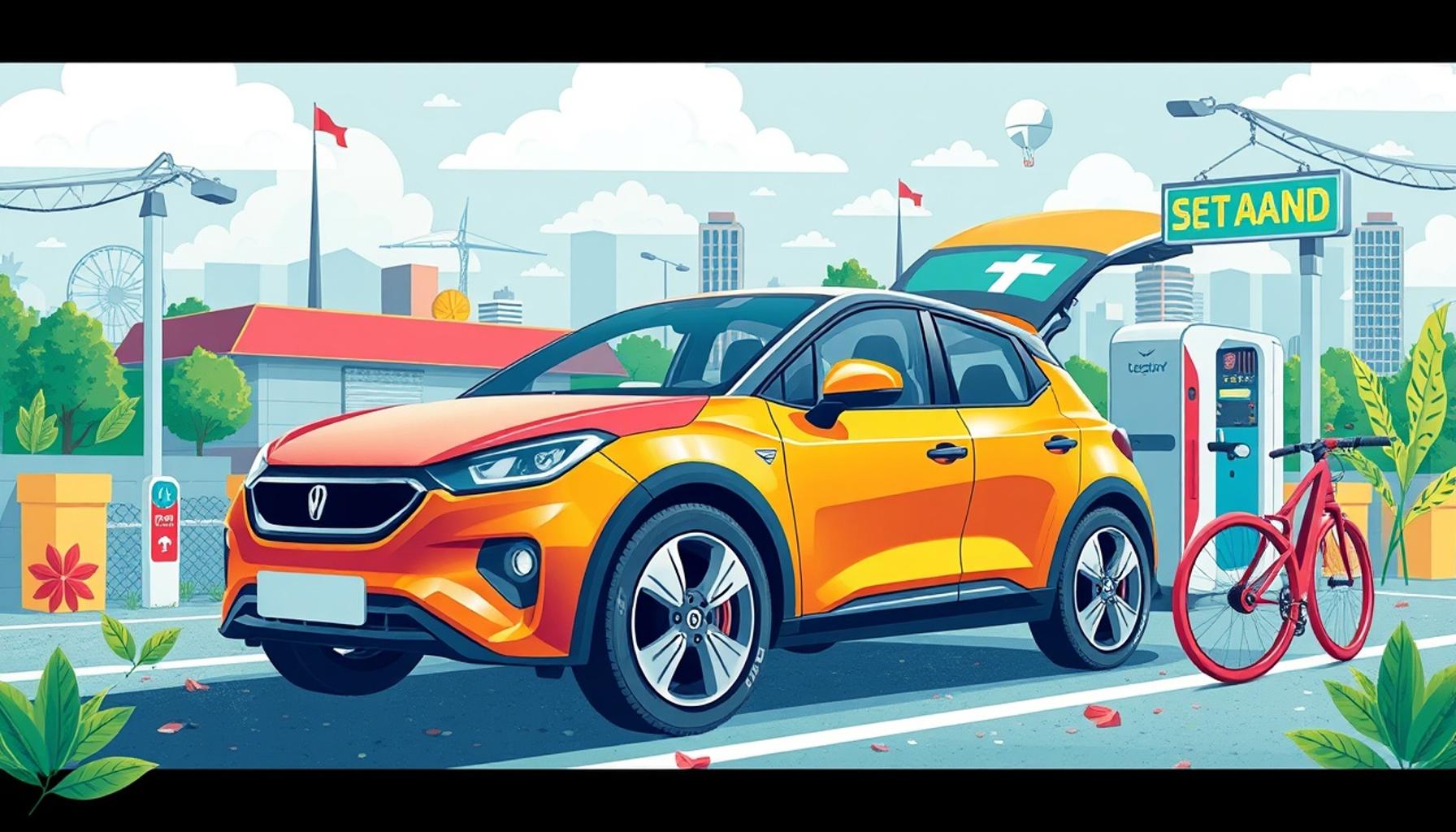
The automotive world is witnessing a significant transformation as electric vehicles (EVs) gain popularity among consumers and manufacturers alike. This shift not only highlights the benefits of EVs but also offers a glimpse into the future of sustainable transportation. As we delve deeper into this evolution, it becomes clear that the implications reach far beyond the vehicles themselves—they extend into environmental enhancements, technological advancements, and changing consumer behaviors.
Reduction of Greenhouse Gas Emissions
One of the most notable advantages of electric vehicles is their potential for reducing greenhouse gas emissions. Unlike traditional gasoline-powered cars, which emit harmful pollutants when burning fuel, EVs are powered by electricity, which can be generated from renewable sources like wind, solar, or hydroelectric power. This means that even when accounting for emissions from electricity generation, EVs often result in significantly lower overall emissions.
For instance, according to the U.S. Department of Energy, EVs can reduce carbon emissions by 40% or more compared to conventional vehicles over their lifetime. Additionally, with states like California implementing strict emission regulations, the shift towards electric vehicles aligns with public policies aimed at combating climate change.
Innovation in Automotive Technology
The emergence of EVs is also triggering innovation in automotive technology. The demand for longer-range batteries has led to breakthroughs in battery chemistry and energy management systems. Manufacturers are investing heavily in research and development to produce batteries that are not only more efficient but also cost-effective.
For example, companies like Tesla have pioneered advancements in lithium-ion battery technology, which greatly enhances both vehicle performance and range. In addition to battery improvements, electric vehicles are often integrated with smart technology, enabling features like over-the-air software updates, which keep the vehicle systems current without requiring a dealership visit.
Changing Consumer Preferences
As consumers grow increasingly aware of environmental issues, their changing preferences are fueling the move toward eco-friendly transportation options. Many buyers now consider sustainability as a key factor when purchasing a vehicle. Automakers are responding by offering a wider range of electric models, from luxury cars to more affordable options, such as the Nissan Leaf and Chevrolet Bolt, which appeal to budget-conscious consumers.
This shift in consumer sentiment is further supported by incentives offered by governments, such as tax credits and rebates for EV purchases, making electric vehicles even more appealing. In 2022, for example, the Inflation Reduction Act increased the federal tax credit for electric vehicles, thus encouraging more people to make the switch.
The Automotive Industry Adapts
This evolution in consumer choice is not only changing how vehicles are marketed but also how they are produced. Established automakers are expanding their fleets to include electric models, recognizing that the future of transportation lies in electrification. Major companies like Ford and General Motors have announced significant investments in EV production, reshaping their manufacturing processes to prioritize sustainability.
Additionally, new startups are emerging, bringing forth innovative business models that challenge traditional paradigms. Companies like Rivian and Lucid Motors are creating niche products that cater to specific segments of the market, further enriching the diversity of electric vehicle offerings.
Conclusion
As we explore the intricate relationship between electric vehicles, the automotive industry, and environmental sustainability, it becomes evident that this revolution in transportation is not just a trend but a significant shift towards a more sustainable future. Understanding these changes is essential for consumers, businesses, and policymakers alike, as we work together towards a greener tomorrow.
DISCOVER MORE: Click here to learn about wealth management in uncertain times
Driving Towards a Sustainable Future
The transition to electric vehicles (EVs) represents a pivotal moment in the automotive industry, not just as a response to consumer demand but as a necessary evolution for environmental stewardship. As we navigate this changing landscape, several noteworthy trends emerge that highlight the profound effects of electric vehicles on both the automotive sector and the planet.
Economic Factors Driving EV Adoption
One of the primary reasons for the rapid adoption of electric vehicles is the decreasing costs associated with EV technology. Over the past decade, advancements in battery production and economies of scale have significantly reduced the price of electric vehicles, making them more accessible to the average consumer. For instance, the price of lithium-ion batteries, which are crucial for powering EVs, has dropped by nearly 90% since 2010. This trend allows manufacturers to price their electric models competitively with conventional gasoline vehicles.
Moreover, consumers are increasingly attracted to the long-term savings that come with owning an electric vehicle. EVs typically have lower operating costs due to fewer moving parts, reduced maintenance requirements, and the lower price of electricity compared to gasoline. According to the U.S. Department of Energy, drivers can save an average of $800 annually on fuel and maintenance costs by switching to an electric vehicle.
Government Policies and Incentives
Government initiatives at both the state and federal levels further bolster the shift towards electric vehicles. Numerous states offer incentives and tax breaks for EV buyers, making the transition even more appealing. For example, California’s Clean Vehicle Rebate Project provides rebates of up to $7,000 for qualified electric vehicle purchases, substantially offsetting the initial investment.
In addition to direct financial incentives, governments are expanding charging infrastructure across the nation, which alleviates concerns about range anxiety, a common barrier to EV adoption. The Biden administration has committed to investing $7.5 billion for the installation of 500,000 EV charging stations, increasing accessibility and convenience for EV owners.
Enhancing Battery Recycling and Lifecycle Management
As the popularity of electric vehicles grows, so does the importance of sustainable battery production and recycling. The life cycle of an EV battery typically spans around 8 to 15 years, resulting in concerns about what happens to these batteries once they reach the end of their life. However, advancements in battery recycling technologies are providing promising solutions. Companies like Redwood Materials are pioneering methods to recover valuable materials such as lithium, cobalt, and nickel from used batteries, thus creating a circular economy around EV battery production.
- Increased investment in battery recycling facilities.
- Development of more efficient methods for extracting raw materials.
- Partnerships between automakers and recycling startups to ensure responsible battery disposal.
These initiatives not only reduce the environmental impact of battery disposal but also lessen the demand for new materials, further decreasing the carbon footprint associated with electric vehicle production.
The ongoing developments in the electric vehicle sector illustrate a comprehensive approach to sustainability, showcasing the intersection of technology, government policy, and consumer preference. As we move forward, understanding these interconnected components will be crucial in navigating the revolution of electric vehicles and their broader implications for both industry and the environment.
DIVE DEEPER: Click here to discover the future of wealth management
Electrifying the Industry: Challenges and Opportunities
While the rise of electric vehicles (EVs) brings forth numerous benefits, it also poses significant challenges for the automotive industry. These challenges must be addressed to ensure a sustainable and successful transition to electric mobility.
Supply Chain and Material Sourcing
As the demand for electric vehicles increases, so does the need for critical materials used in their batteries, such as lithium, cobalt, and nickel. The extraction and processing of these materials can have profound environmental impacts, including habitat destruction and water pollution. For instance, cobalt mining in the Democratic Republic of Congo has been linked to severe human rights issues and environmental degradation.
To mitigate these challenges, the automotive industry is prioritizing sustainable sourcing practices and investing in alternative materials. Companies like Tesla have pledged to develop battery technology that reduces dependency on cobalt while exploring partnerships with mining operations that prioritize eco-friendly practices. Furthermore, research is underway to identify new battery chemistries, such as solid-state batteries, which could alleviate some of these supply chain challenges while enhancing performance and safety.
Charging Infrastructure Expansion
The adoption of electric vehicles heavily relies on the availability of a robust charging infrastructure. Although the Biden administration’s commitment to install 500,000 EV charging stations is a step in the right direction, further investments are necessary to create a seamless charging experience for users.
Accessibility remains a critical concern. Urban dwellers, in particular, face challenges related to charging availability. Parking garages and public spaces must adapt to meet the needs of growing EV populations. Moreover, initiatives like workplace charging programs and incentives for employers to provide charging stations can significantly enhance the convenience of owning an electric vehicle.
Technological Innovations and Consumer Adoption
Technological advancements are propelling the electric vehicle market forward, making them increasingly attractive to consumers. Innovations in autonomous driving technology, for instance, are enhancing the overall EV experience. Major companies like Waymo and Cruise are exploring self-driving capabilities, while traditional automakers integrate advanced driver-assistance systems into their electric models. These features not only improve safety but also elevate the appeal of EVs to tech-savvy consumers who prioritize cutting-edge features.
Moreover, the integration of smart technology and connected vehicles into the EV landscape allows drivers to optimize their charging schedules, locate available charging stations, and even participate in vehicle-to-grid energy initiatives. This interconnectedness fosters greater engagement among consumers, making the transition to electric vehicles not only practical but also exciting and integrated into their daily lives.
Market Competition and Consumer Education
The growth of the electric vehicle market is intensifying competition among automakers, prompting them to innovate and diversify their electric offerings. Established manufacturers are now developing their own electric models, while new players, such as Rivian and Lucid Motors, are entering the scene with unique designs and features tailored to specific market segments.
As competition heats up, consumer education becomes pivotal. Many potential buyers may still harbor misconceptions about electric vehicles, particularly regarding performance and battery life. Automakers and advocacy groups must invest in clear, informative campaigns to raise awareness of the benefits of EVs. Demonstrating the real-world advantages of electric vehicles, such as lower lifetime costs and reduced emissions, will be vital in persuading consumers to make the switch.
The measures taken to address these challenges will shape the future of electric vehicles and the automotive industry as a whole. As businesses, governments, and consumers collaborate to facilitate this transition, the potential for a cleaner, more sustainable transportation system becomes increasingly attainable.
LEARN MORE: Click here for the application guide
Conclusion
The revolution of electric vehicles is not just a trend; it represents a pivotal shift in both the automotive industry and our environmental landscape. As we have explored, the transition to electric mobility offers significant advantages, including reduced greenhouse gas emissions, decreased reliance on fossil fuels, and enhanced energy efficiency. However, these benefits come hand in hand with challenges that must be navigated carefully.
To harness the full potential of EVs, stakeholders from various sectors must engage in collaboration and innovation. The automotive industry must prioritize sustainable sourcing to procure materials ethically, while also expanding charging infrastructure to accommodate a growing fleet of electric vehicles. The embrace of technological advancements can elevate the EV experience and enhance consumer adoption, making electric cars not just an eco-friendly choice, but a desirable one as well.
A pivotal aspect of this revolution will be consumer education. It is crucial to dispel myths surrounding EVs and inform potential buyers about the benefits, such as lower operating costs and the reduced environmental impact of electric vehicles. Only with proper knowledge and infrastructure can we expect widespread acceptance and integration of electric vehicles into everyday life.
As we move into the future, the momentum for electric vehicles will only build. If correctly navigate the challenges and seize the opportunities, we can look forward to a thriving automotive industry that not only supports economic growth but also contributes to a sustainable future for our planet.

Linda Carter
Linda Carter is a writer and expert known for producing clear, engaging, and easy-to-understand content. With solid experience guiding people in achieving their goals, she shares valuable insights and practical guidance. Her mission is to support readers in making informed choices and achieving significant progress.