Trends in Cybersecurity: Protecting Data in the Information Age
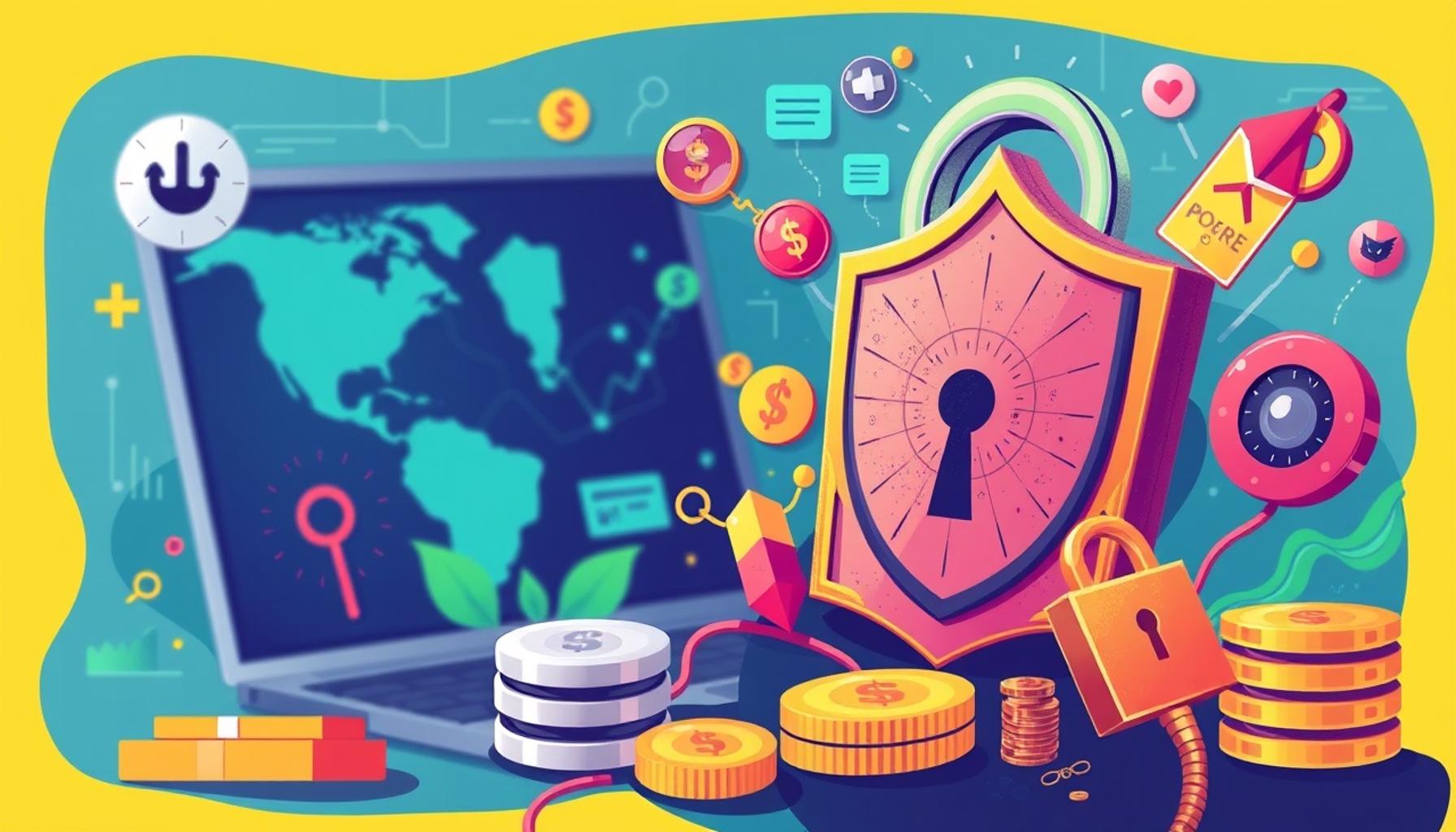
The Importance of Cybersecurity
In the contemporary landscape, the role of cybersecurity has transformed into a cornerstone for both enterprises and individual users. With the increasing number of data breaches reported every year, ranging from high-profile corporate hacks to identity theft targeting consumers, a comprehensive understanding of the current trends is essential for fostering a safer digital environment.
Numerous factors drive the urgency to enhance cybersecurity defenses:
- Rising Threats: Cybercriminals are not only becoming more sophisticated but are also adapting quickly to changes in technology. For instance, ransomware attacks, where malicious software encrypts data and demands payment for decryption, have surged dramatically. In 2020, cyber insurance claims related to ransomware attacks in the U.S. skyrocketed to millions, illustrating the pressing need for more advanced security measures.
- Increased Regulations: With the introduction of regulations such as the General Data Protection Regulation (GDPR) in Europe and the California Consumer Privacy Act (CCPA), organizations face new mandates that require them to prioritize data protection. Such laws force companies to adopt more transparent practices around data usage, aiming to protect consumers’ personal information against misuse.
- Remote Work Vulnerabilities: The COVID-19 pandemic precipitated a massive shift to remote work, creating an expansive attack surface for cyber threats. Many employees use their personal devices and home networks, which often lack robust security features. This transition necessitated enhancements in security protocols, such as implementing Virtual Private Networks (VPNs) and regularly updating software.
To fortify their defenses, organizations must remain vigilant by adopting innovative solutions:
- Artificial Intelligence: Today’s security technologies leverage AI to analyze vast amounts of data quickly. For instance, AI-powered systems can detect unusual patterns of behavior in network traffic, alerting businesses to potential threats in real-time, thereby minimizing damage.
- Zero Trust Security: This security paradigm operates on the assumption that threats could originate both externally and internally. By validating every user and device attempting to access the network, organizations prevent unauthorized access. This approach was particularly beneficial for companies transitioning to a hybrid work model.
- Cloud Security Solutions: As more businesses migrate to cloud services, understanding how to secure this virtual landscape becomes crucial. Employing cloud security solutions, like data encryption and multi-factor authentication, protects sensitive information from breaches.
By staying informed about these trends, individuals and organizations can develop more effective strategies to protect their sensitive data. As we progress further into the digital age, prioritizing cybersecurity is not just a technical necessity but a foundational element of modern business and daily life.
DIVE DEEPER: Click here to discover the future of wealth management
Emerging Cybersecurity Technologies
As cyber threats evolve, so too must the technologies we employ to combat them. Several emerging trends in cybersecurity are shaping the future of how organizations protect their critical data and systems. Understanding these trends is crucial for both businesses and individuals who wish to stay one step ahead of cybercriminals.
One of the foremost advancements in this domain is the incorporation of Artificial Intelligence (AI) into cybersecurity frameworks. AI-driven solutions are revolutionizing how security teams detect and respond to threats. By analyzing massive volumes of data from network activity, AI can identify anomalies that may signify an attack. For example, if an employee typically logs in from a specific location and suddenly attempts access from a different state, an AI system can flag this behavior for further investigation. This capability allows for rapid response to potential threats, significantly reducing the window of opportunity for attackers.
Another important trend is the adoption of Zero Trust Security. This model is predicated on the belief that no user or device should be inherently trusted, regardless of their location within or outside the network. Instead of assuming everything behind the corporate firewall is safe, organizations employing a Zero Trust approach verify every access attempt and continuously monitor user behavior. For example, a company may require multi-factor authentication for employees trying to access sensitive data, ensuring that even if a password is compromised, additional verification steps are in place to thwart unauthorized access.
In addition to these technologies, organizations are increasingly recognizing the need for cloud security solutions. As businesses transition to cloud-based services, the security of data stored in the cloud becomes paramount. Effective cloud security measures include data encryption and robust access controls. Encryption protects sensitive information by converting it into a secure format that can only be read with a decryption key. Besides encryption, implementing policies such as role-based access can limit who can view or manage specific data, further safeguarding it from potential breaches.
Furthermore, organizations are investing in comprehensive security awareness training for their employees. This trend is crucial because many cyberattacks exploit human error. For instance, phishing attacks, where attackers attempt to trick individuals into providing sensitive information via deceptive emails, are among the most common forms of breaches. Equipping employees with the knowledge to recognize these threats can significantly reduce the risk of falling victim to such tactics. Training programs often include simulations of phishing attacks, teaching employees how to identify suspicious communications before they can lead to a data breach.
By aligning with these emerging trends, organizations can bolster their defenses against evolving cyber threats. The landscape of cybersecurity is constantly shifting, and staying proactive with the latest technologies and strategies is essential for safeguarding valuable data in an increasingly interconnected world.
DISCOVER MORE: Click here for essential tips
Integrating Advanced Threat Intelligence
In the ever-changing landscape of cybersecurity, threat intelligence has emerged as a critical component for organizations aiming to stay ahead of potential cyber threats. Organizations are increasingly leveraging threat intelligence to enhance their protective measures and response strategies. This intelligence encompasses data that helps predict, identify, and mitigate potential cyber risks, allowing businesses to proactively defend against attacks rather than just react to incidents as they occur.
One practical application of threat intelligence is its use in the context of cybersecurity tools and software. Many modern security solutions come equipped with built-in threat intelligence feeds that constantly monitor for emerging threats. For instance, if a new malware variant is identified, threat intelligence can inform organizations about its tactics, techniques, and procedures (TTPs), enabling security teams to adopt countermeasures quickly. This timely access to information can significantly impact an organization’s ability to prevent breaches and secure sensitive data.
The Rise of Managed Security Service Providers
As cybersecurity demands grow, many organizations are turning to Managed Security Service Providers (MSSPs) for support. MSSPs offer specialized expertise, allowing businesses to enhance their security posture without the need for extensive in-house resources. Services provided by MSSPs include ongoing network monitoring, threat detection, incident response, and compliance management. By outsourcing these critical functions, organizations can focus on their core business operations while relying on experts to handle their cybersecurity challenges.
This trend is particularly beneficial for small to medium-sized enterprises (SMEs) that may not have the budget or staff to maintain a comprehensive security framework. For example, a small financial services firm might collaborate with an MSSP to manage their security needs, thereby ensuring protection against financial fraud and data breaches while staying compliant with regulatory requirements.
The Importance of Regulatory Compliance
Another significant trend within the cybersecurity landscape is the growing emphasis on regulatory compliance. With increased scrutiny from regulatory bodies and the rise of data protection laws such as the General Data Protection Regulation (GDPR) in Europe and the California Consumer Privacy Act (CCPA) in the United States, organizations are compelled to adopt rigorous data protection measures. Compliance regulations often necessitate businesses to implement strong security controls, perform regular risk assessments, and ensure data transparency.
For instance, healthcare organizations in the U.S. must comply with the Health Insurance Portability and Accountability Act (HIPAA), which mandates strict data protection measures for patients’ health information. Failure to comply not only risks data breaches but also leads to substantial fines and reputational damage. As a result, organizations are prioritizing compliance initiatives alongside their cybersecurity efforts to protect both their data and their reputation.
Future-Proofing with Cyber Resilience
Finally, the concept of cyber resilience is gaining traction as organizations recognize that no system is entirely immune to attacks. Cyber resilience focuses on an organization’s ability to prepare for, respond to, and recover from cyber incidents. This approach emphasizes not only prevention but also the capability to ensure business continuity in the face of disruptions.
To achieve cyber resilience, companies are adopting strategies that include developing incident response plans, conducting regular cybersecurity drills, and investing in data backup solutions. For example, a retail chain may implement a cyber resilience framework that allows it to quickly restore operations and systems in the event of a ransomware attack, minimizing downtime and preserving customer trust.
By integrating advanced threat intelligence, utilizing MSSPs, adhering to compliance regulations, and fostering cyber resilience, organizations position themselves to better navigate the complex dynamics of cybersecurity in the information age. As threats continue to evolve, proactive and multifaceted approaches will be essential for safeguarding crucial data and maintaining a secure operational environment.
DISCOVER MORE: Click here to learn about the future of credit cards</p
Conclusion
As we navigate the complexities of the information age, the importance of robust cybersecurity cannot be overstated. Organizations face an ever-evolving array of cyber threats, making it essential to adopt a proactive stance in protecting sensitive data. The integration of advanced threat intelligence, the rise of Managed Security Service Providers (MSSPs), adherence to regulatory compliance, and the embrace of cyber resilience strategies collectively represent significant trends that help businesses fortify their defenses.
By actively leveraging threat intelligence, organizations can not only stay informed about the latest threats but also respond more effectively. MSSPs provide access to specialized expertise that many businesses, particularly small and medium-sized enterprises, might lack. Compliance with regulations such as the GDPR and HIPAA ensures that organizations prioritize data protection and avoid the substantial penalties associated with non-compliance. Finally, fostering a culture of cyber resilience prepares organizations to withstand and recover from incidents, ultimately ensuring business continuity.
In conclusion, the landscape of cybersecurity is dynamic and requires a multifaceted approach. As threats become more sophisticated, organizations must remain vigilant and adaptable, continuously evolving their strategies. By doing so, they not only protect their data but also build trust with customers, stakeholders, and partners in a digital world where cybersecurity is paramount.

Linda Carter
Linda Carter is a writer and expert known for producing clear, engaging, and easy-to-understand content. With solid experience guiding people in achieving their goals, she shares valuable insights and practical guidance. Her mission is to support readers in making informed choices and achieving significant progress.